How to Plant Cover Crops in Western Oregon: A 5-Step Winter Garden Guide
Prefer to learn by watching? Carson walks you through it in person:
Its Late Fall here in Western Oregon, and what a special time it is indeed. To most, it seems as if the grey and depressive cloudy months are a time to be getting ready to hibernate in our cozy abodes, but I, Carson the Gardener, am here to tell you that the 2026 growing season starts now. How could this be, when the plants have all but died, the rains saturate the soils deeply, the sunlight is nowhere to be seen, and there’s cold temperatures ahead. Well, before I explain, let me start with a little background on gardening in western oregon.
West of the mighty Cascade mountains, East of the Coastal Range, and just a day’s trip from the pacific ocean, is one of the world’s most incredible food-growing ecoregions. We know it as Western Oregon, and we can all think of many reasons why it’s special. Here, temperatures are quite mild compared to others around the world at our latitude. Our winters are unique: a non-stop deluge of rain and clouds, yet scarcely ever dipping below 20 degrees (for most of us). The light of day decreases in amount and in strength; you would think that it does not seem like a great season to be gardening in. And you’d be right… except for one special task that we can do right now. There is a tool we can use that turns the winter into a productive season for your garden soils, allowing them to protect themselves from the harsh elements of winter, while also generating a great amount of free nutrients for next year’s food crops. I am talking about Cover Crops.
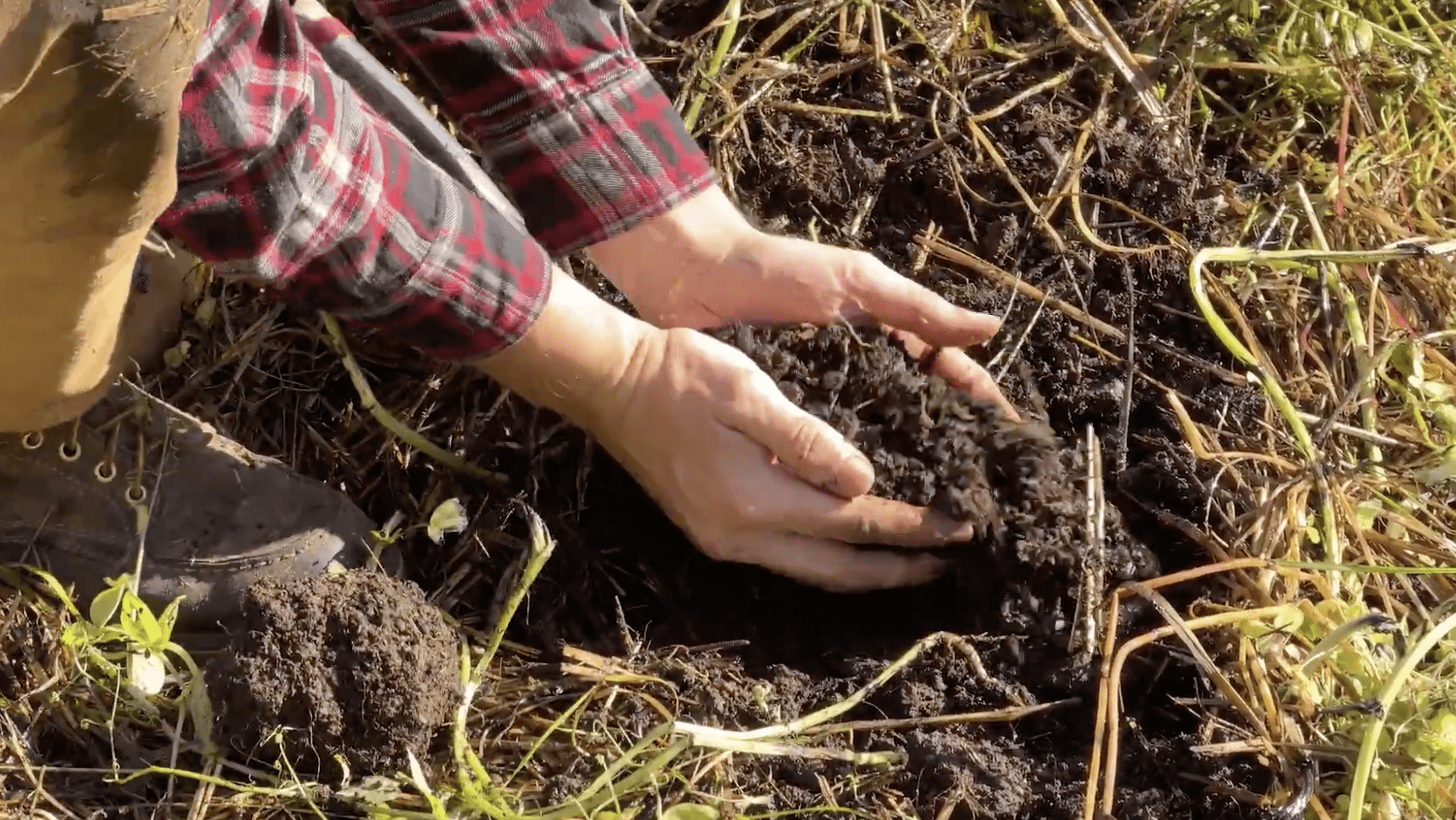
Cover Crops, in essence, are plants that you directly sow into your garden beds, with the intent to harvest them for biomass and nutrients. Many Oregon gardeners (and farmers) leave their soils bare and naked to the winter, thinking that there’s no point in having plants considering the lack of plant-friendly climates. Don’t do it! Soil needs plants. Plants are the only organisms that capture free energy from the sun and turn it into sugars, starches, proteins, even oils. Soil itself does not produce the food needed for it to stay alive. There are trillions of bacteria and fungi and other microorganisms that live in your soil, and when you leave it bare in the winter, they begin to starve. Rain also damages soil by pounding it down with each drop’s velocity, compacting the soil and forcing the humans to dig it up in the spring. Cover crops will grow all winter, keeping your garden soils alive and well fed, exuding carbon and other nutrients through their root systems to feed the life in the soil. They protect the soil from rain and wind, things that compact and erode. The best part, when it’s all said and done, you get a free layer of mulch on the top of your beds to plant into in Spring.
Western Oregon is one of the world’s BEST places to utilize cover crops because its constantly raining all winter so you needn’t water your covers, it doesn’t get so cold as to kill the winter hardy crops we will use, and we have an abundant seed growing industry here, so cover crops are quite cheap to buy.
So here’s 5 steps to growing a cover crop in your gardens this winter.
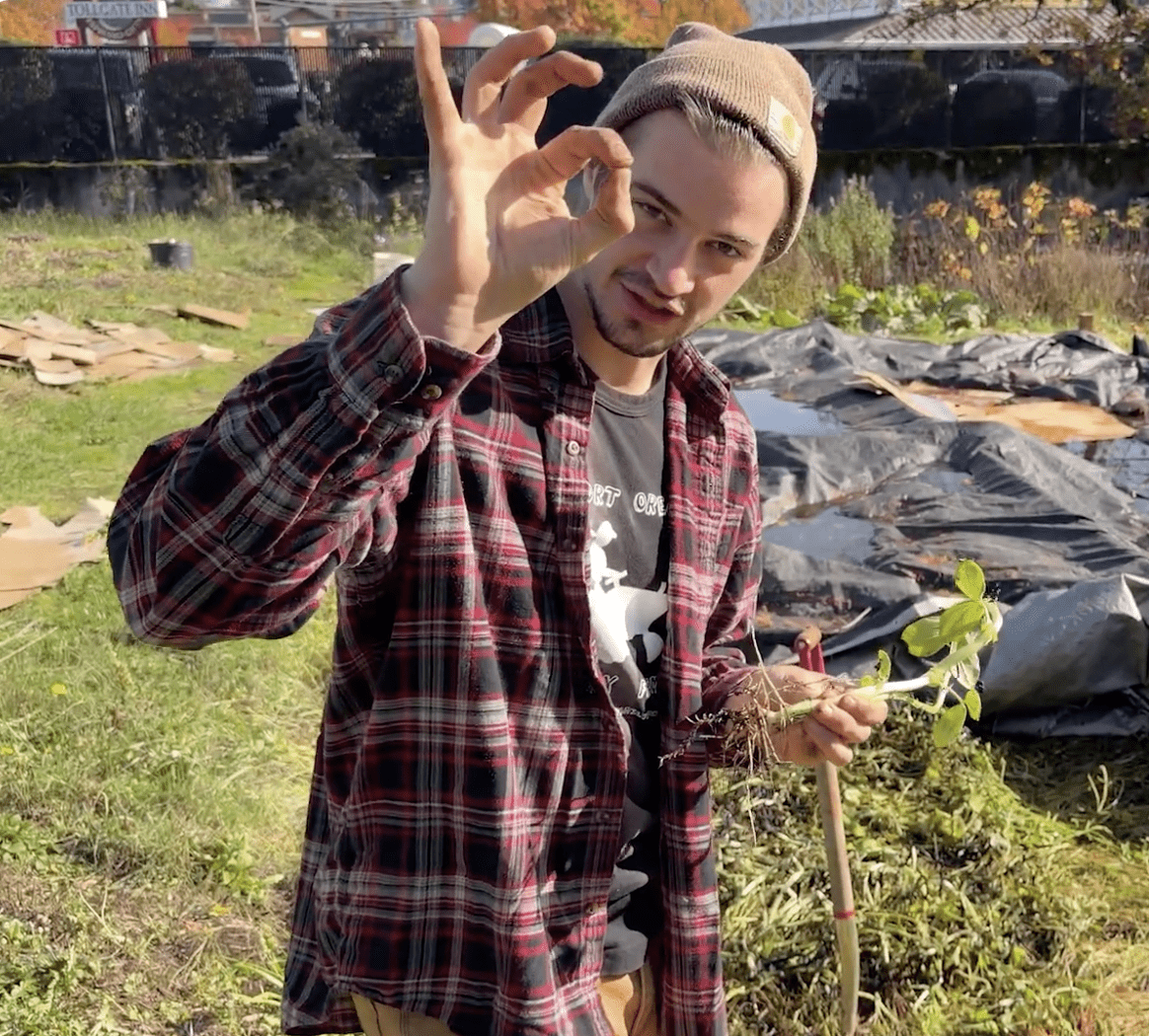
Step 1. Clean your beds. At the end of the season, you should have a bunch of dead plant tops and maybe even a layer of old mulch on your garden beds. We are going to rake off any mulch to the side (dont waste it, leave it on the bed perimeter to discourage weeds). Whatever weeds are in the bed, go ahead and remove them. For taprooted weeds (around here, we have things like dandelions, slippery doc, wild carrots AKA queen anne’s lace, etc), you’ll want to dig those out completely. When it comes to your season’s dead food crop plants, don’t pull them out! Use shears or clippers to cut the plant as close to the ground as you can, leaving that root system in the ground so it can decompose and feed the soil.
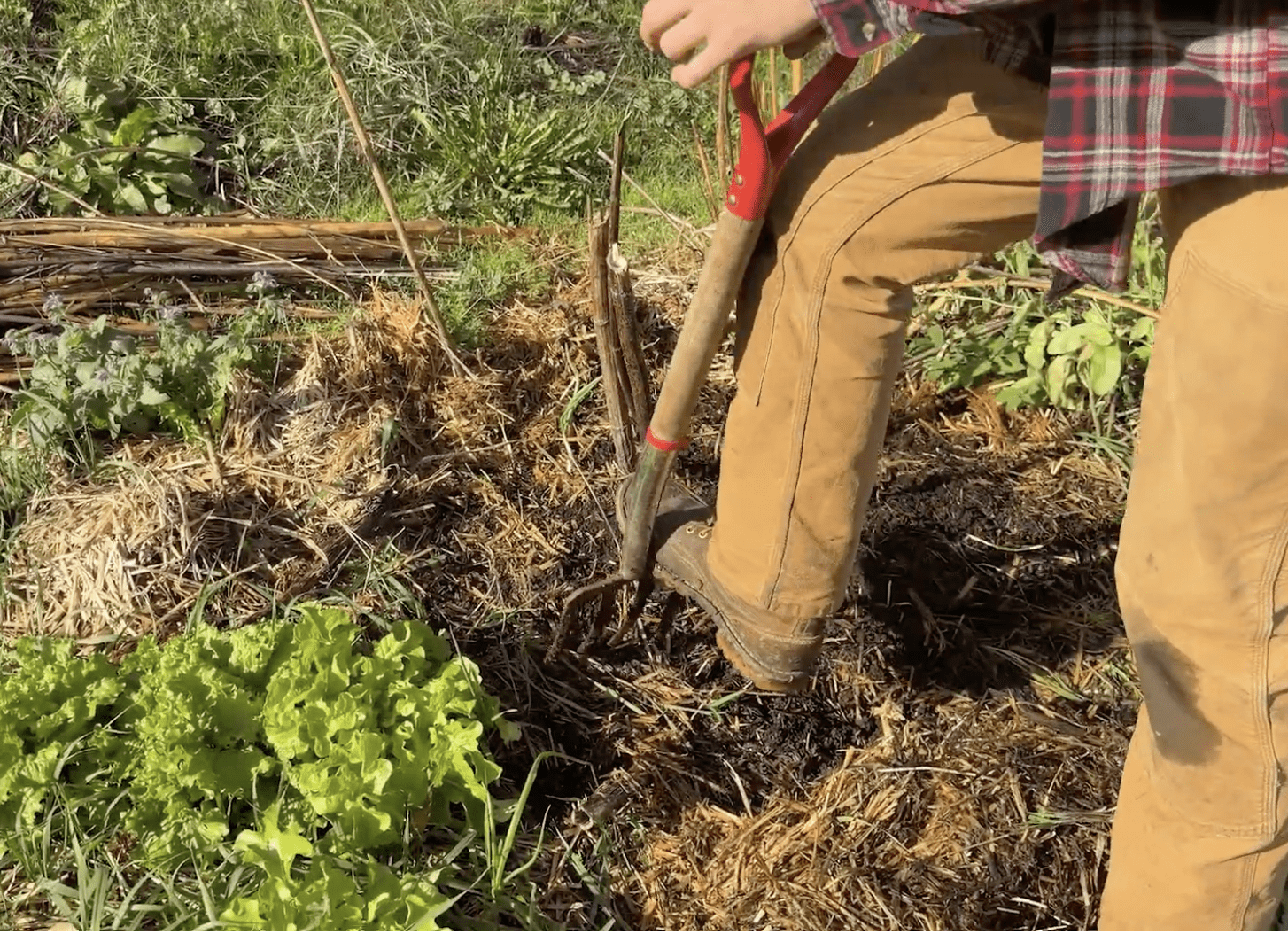
Step 2. Fork the Soil. Using a broadfork, a small digging fork, or a strong pitchfork, poke straight down into your soil and lift it just enough that the top soil cracks apart, and you get a burst of air into the lower layers. Do not turn the soil or flip it, as this causes damage to the fungal structures that you want for your plants. If your soil is already very compacted and you cant dig in it at all, (you have bigger problems) you can use a rototiller to break up the top layer, but set it to the most shallow setting so that you disturb as little as possible. After you fork the soil, it should have gained some volume from being lifted. Don’t flatten it out just yet
Step 3. Spread your cover crop seeds. Your local garden store should have some cover crop seeds available. It’s best to do a mix, because diversity is awesome for soil. For best results your mix should have at least one grass, one nitrogen fixer, and one soil worker. I go to Concentrates in Milwaukee to get my cover crops, as they have a fantastic selection for great prices. For growing in the Oregon winter, here’s a list of crop species that work for me:
Grasses
Winter Wheat
Winter Rye (Hardy Rye)
Barley
Oats (only if you live in the central valley where temperatures don’t go below 30)
Nitrogen Fixers
Austrian Peas (Field Peas)
Fava Beans (Hardy to ~29 degrees)
Hairy Vetch
Red Clover ( will mostly die to the First Frost, but often bounces back come late February)
Alfalfa (See Red Clover)
Soil Workers
Daikon Radish (Tillage Radish)
Collard Greens
Rapeseed (Mustard)
Chicory
Sprinkle the seeds at a medium density over the entire bed, making sure not to miss any areas.
Step 4. Cover the seeds. At the Antfarm Education Gardens, we do this with our homemade compost. Spreading 1 inch of compost over the seeds keeps them moist and out of the light until they germinate. You can also use well rotted manure from your neighbor who keeps goats or cattle or horses or chickens. If you don’t have any materials to cover your seeds with, simply use a hard rake and rake across the entire bed, dragging soil from high spots (where you used a fork) over the low spots, trying your best to bury seeds as you go. The goal is to get as many seeds touching soil as possible, preferably under it, but at least raked into it should work (since we have constant rain in the fall, there is no chance of them drying out).
Step 5. Keep the beds wet until germination. Depending on what crop or mix you chose, you’ll be seeing sprouts as early as 3 days, to 15 days from sowing. Now you get to sit inside with a hot cocoa while you watch plants do the work for you.
In the spring, you have to kill the cover crops before they make seeds. We will release another guide on how to do this in the spring, but you’ll basically mow or cut the crops down, cover them with a tarp or cardboard for 2 or 3 weeks until all the plants are dead, and then you have a super nutritious and happy soil to plant into all year long! The decaying cover crop roots and stems will be feeding your soils, which feed your plants, that way you don’t have to spend all kinds of money on fertilizers and soil amendments which may or may not work. Let nature do the work for you!
If you are the type of person who prefers to learn with dirty hands, come out to the Antfarm Sandy Educational Garden on a Monday anytime between 10am and 4pm, or on Saturday from 11am to 1pm for our weekly Garden Club, so I can teach you in person.
Reach out to me with an Email if you have any questions at carsonk@antfarmyouthservices.com, or chat me up if you see me hanging out in our Antfarm Cafe! I always love to talk plants and food with my neighbors.
February is often associated with love, generosity, and showing up for the people and places that matter to us. At AntFarm Youth Services, this season feels especially meaningful as we navigate a challenging moment for community-based organizations across the country, with unique pressures hitting rural communities especially hard.
AntFarm started and exists to connect youth, families, and community members to resources, support, and pathways toward stability and empowerment. That work takes many forms. It includes safe, welcoming YouthHub spaces for teens, paid workforce development opportunities for young adults, housing stability support for individuals and families, and practical assistance for elders and people with disabilities who need help maintaining their homes. Our goal is simple but ambitious: to help people stay connected, supported, and rooted in their community.
Over the past year, sustaining that work has become increasingly difficult. Shifting funding priorities, delayed grants, and reduced program dollars have created real strain for nonprofits like AntFarm. As we moved through 2025 and into 2026, the gap between community need and available resources has continued to grow. These pressures affect our ability to keep YouthHubs open and active, retain valuable staff, and sustain programs our community relies on. We are making thoughtful, strategic decisions every day to stretch resources while protecting core services, but the margin is tight.
Community support has always been central to AntFarm’s ability to serve, and right now it is essential.
There are many ways community members, businesses, and partners can support AntFarm’s work:
Make a one-time or recurring donation. One-time gifts help us meet immediate needs, while monthly donations provide stability that allows us to plan and commit to long-term support for youth and families. Even modest recurring gifts make a meaningful difference. You can make a one-time or recurring donation here.
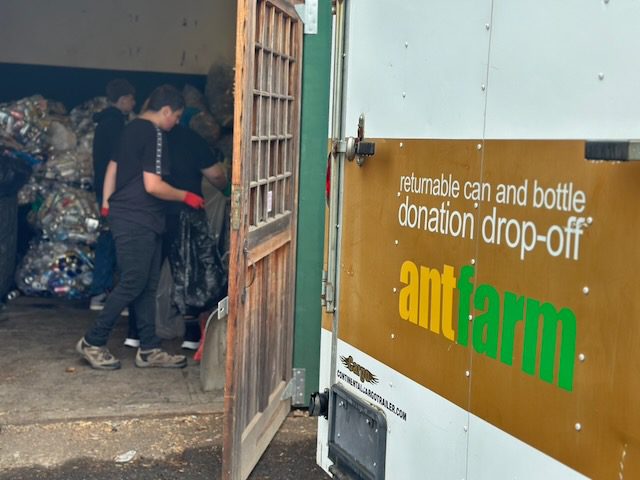
Recycle bottles and cans through AntFarm’s Planet 365 program. Donating returnable containers supports AntFarm’s operations and helps fund essential community programs, including Community Connect and free firewood delivery. Drop-off locations include Mt. Hood Brewing, Sandy Transfer Station, Hoodland Shopping Center, and the AntFarm Outdoor Building. Large quantity? Call us and we can pick it up.
Support youth workforce development through YouthCore services. Hiring AntFarm’s YouthCore crews for yard work and community projects is a direct investment in youth workforce development, providing paid, hands-on experience while strengthening local neighborhoods.
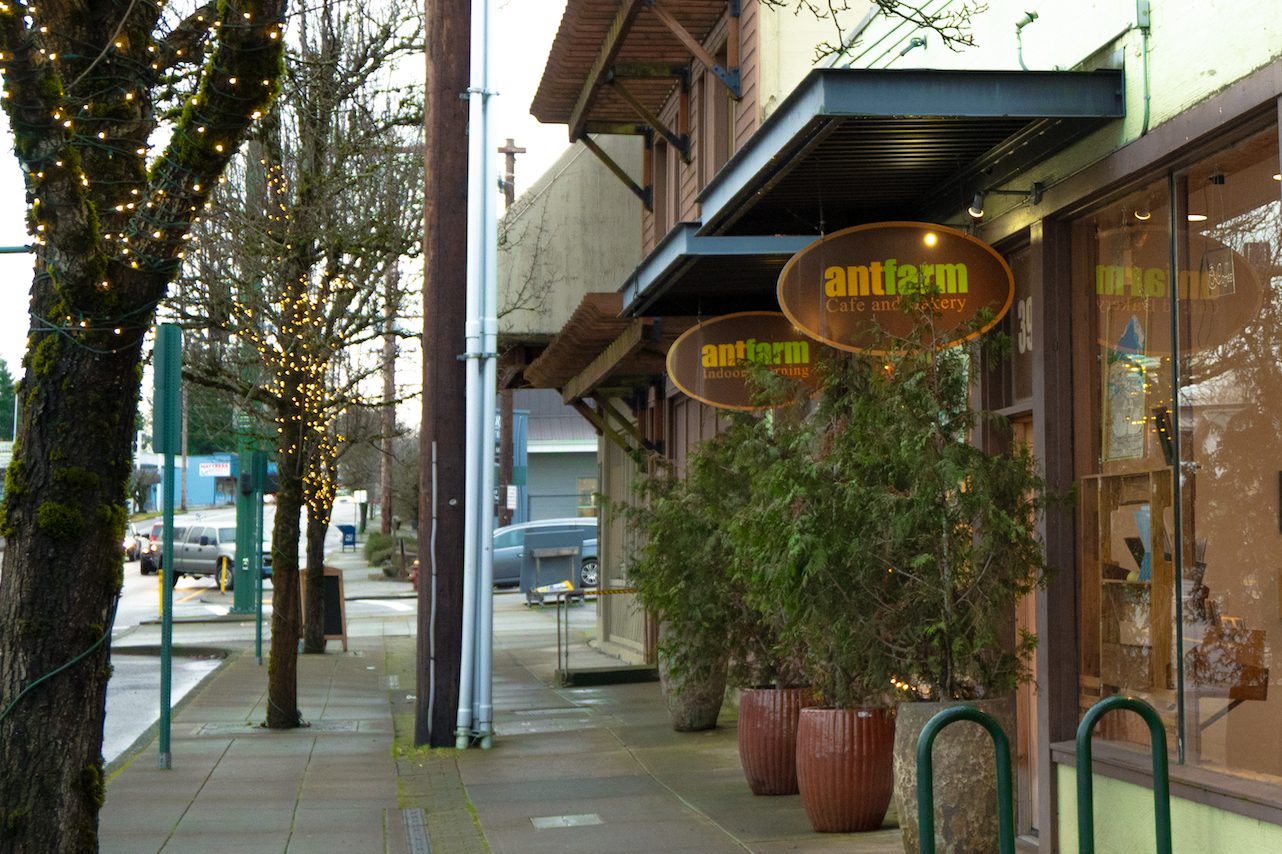
Visit AntFarm Café & Bakery in Sandy. Every purchase helps keep this welcoming community space open, with proceeds supporting AntFarm programs. The café is one of the most accessible ways to support our mission while enjoying great food and coffee.
Partner with us as a local business. Businesses can support AntFarm through sponsorships, program support, and both traditional and non-traditional partnerships. We welcome conversations about creative ways to invest in the community together.
Volunteer your time and skills. Volunteers play a vital role in supporting events, programs, and hands-on community projects. Whether you have a few hours or want to get more involved, volunteering helps extend our reach and impact. https://antfarmyouthservices.com/volunteer/
Help amplify our work. Following AntFarm on social media, engaging with posts, and sharing our stories increases visibility and strengthens community support and awareness. Find us on Facebook, Instagram, YouTube, LinkedIn, Nextdoor, or subscribe to our monthly newsletter.https://antfarmyouthservices.com/newsletter/
AntFarm has always been built on community trust and participation. During a time when funding is uncertain, and the need for services continues to grow, showing your support in any of these ways helps ensure that youth, families, and neighbors continue to have a place to turn when they need it most. Contact us at (503) 668 7962 or info@antfarmyouthservices.com.
 Why Community Support Matters Right Now