AntFarm Stories

ANTFARM STORIES

Updates, community impact, and the work happening across our programs.

From Tree To Lumber – Nothing Goes To Waste

From hazard to harvest: turning a damaged tree into community resources

What happens when a storm-damaged tree becomes a threat to a home? Most people would call for removal and move on. AntFarm had a different idea.

In 2020, severe heat waves sparked wildfires across Oregon, burning more than 1.2 million acres and destroying thousands of structures. For communities along the Mount Hood corridor — one of the last populated stretches of the Pacific Northwest without a major wildfire on record — the season was a sobering reminder of what’s coming.

One legacy of that summer: a large cedar tree, damaged by the heat, left sitting dangerously close to a home. Rather than simply cut it down and haul it away, AntFarm crew lead Neil Hatley saw an opportunity.

“We’re turning what is and would be a problem into a solution.”

— Neil Hatley, AntFarm crew lead

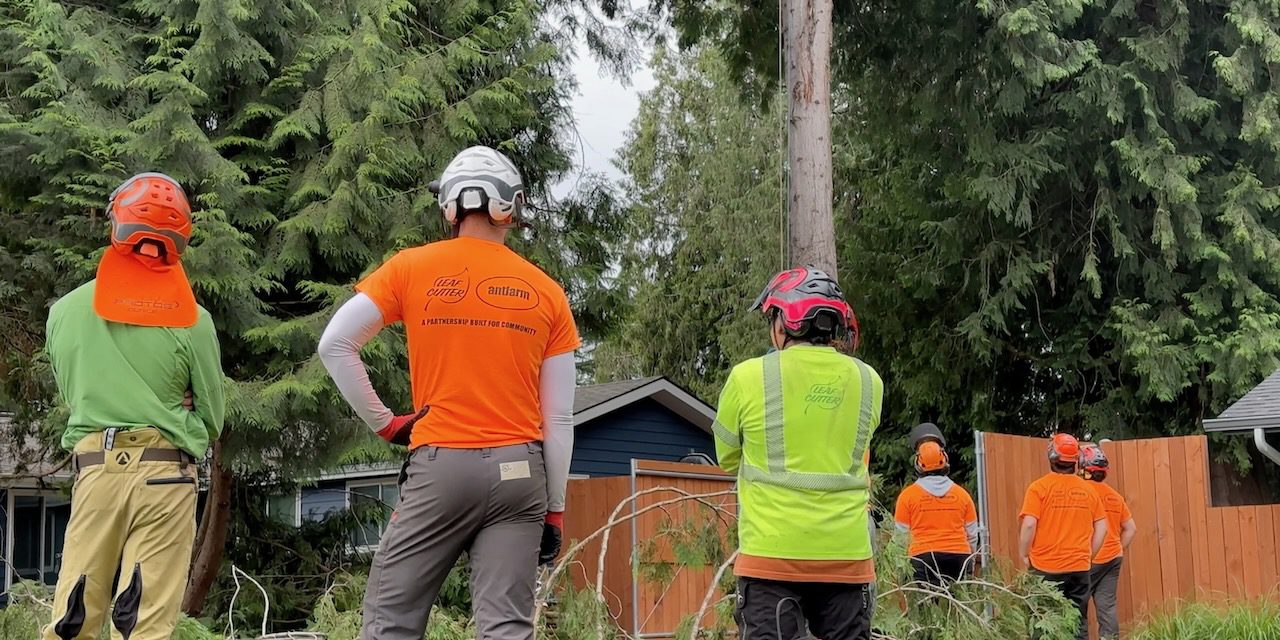
The process started with safe removal — sectioning the tree carefully to protect the nearby house — then breaking the logs into mill-ready lengths. A partner contractor milled the wood on-site, running each log through to reveal the grain and color of fresh cedar boards, now stacked and drying for use in a community building project.

What couldn’t be milled got split into firewood for local families. Branches were chipped into mulch for the garden. Not a piece was wasted.

One tree, four outcomes-

  • Cedar boards for a community building project
  • Firewood for local families
  • Wood chip mulch for the garden
  • Hands-on skills training for youth crew

That last point matters as much as the lumber. Throughout the project, AntFarm’s youth crew worked alongside experienced professionals — learning rope skills, chainsaw safety, and the kind of practical knowledge that doesn’t come from a classroom. The crew is clear that this type of work requires proper training and safety gear, and takes that responsibility seriously at every step.

A safer home, beautiful lumber, firewood, garden mulch, and real skills in young hands. That’s what good work looks like, start to finish.

Building Stability in Our Community: AntFarm’s Housing Services

Building Stability in Our Community: AntFarm’s Housing Services

As winter settles into our area, AntFarm’s housing team is working with heightened awareness. The colder months bring additional stress for people already living close to the edge. Bills increase. Missed hours on a paycheck carry more weight. Transportation becomes more complicated. Firewood runs out sooner than expected. When maintaining basic necessities is already unstable, winter has a way of magnifying every vulnerability.

Housing instability in smaller communities like ours does not always look the way it does in larger cities. It often appears quietly: rotating between friends or relatives, staying temporarily in unsafe or unsuitable situations, or living out of vehicles. These realities can be easy to overlook or look away from, but they are increasingly present in our area.
Since 2020, AntFarm’s housing services programs have existed to support people facing these hardships with practical assistance, accountability, and care rooted in local connection.
Housing Services in a Rural Context
AntFarm provides housing services through outreach, case management, and partnerships with Clackamas County and the State of Oregon. These services currently include rapid rehousing, short- and long-term rental assistance, housing stabilization support, and participation in programs such as the Direct Cash Transfer pilot.
All housing services operate under strict program guidelines, contract requirements, and compliance standards. Each household and person served is tracked through required case notes, audits, and reporting systems. While this reporting is essential, housing team members emphasize that the work never feels abstract. “These aren’t just numbers. These are real people,” shared AntFarm’s Senior Housing Services Manager. “We take the responsibility very seriously.”
Right now, AntFarm’s housing team is actively supporting 88 households across Sandy, Estacada, and Molalla. While outcomes are tracked by head of household, staff estimate that this actually represents approximately 175 to 200 individuals currently receiving some form of housing-related support.
Trust Is Built, Not Assumed
Housing support team members note that for many participants, trust is not immediate. Past experiences of being turned away, placed on long waitlists, funding inconsistencies in support programs, or being told they did not qualify for help often shape how people approach or receive services.
Early conversations tend to focus on consistency and follow-through rather than rushing toward solutions. Building trust takes time, especially in smaller communities where people and histories are closely connected. “In small communities like ours, this work is personal,” explained the Senior Housing Services Manager. “We live here too.”
A Youth Perspective: Direct Cash Transfer as a Stabilizing Tool
AntFarm is participating in the Direct Cash Transfer pilot program, funded through the Oregon Department of Human Services. The program provides flexible financial support to eligible youth participants ages 18–24 experiencing housing instability, with the goal of reducing immediate financial pressure while supporting longer-term stability alongside case management and goal setting.
One young adult described his housing situation as constantly moving between friends and relatives for the last few years. “‘Let’s see if you’re eligible for DCT,’” he recalled AntFarm staff saying. “And once they explained it, I was like, ‘Oh. That’s me. I didn’t really think of myself as homeless,” he added. “I was just staying wherever I could.”
What stood out most about AntFarm’s support was how the process felt. “A lot of times people just kind of think of you as a number,” he shared. “But this didn’t feel like that.”
Through participation in the Direct Cash Transfer pilot, the financial support became a stabilizing tool that created breathing room. “It wasn’t just about receiving money,” he said. “It was about being able to plan.” AntFarm’s DCT Advocate and Youth Case Manager emphasized that the program is designed to support stability alongside guidance and goal setting. “The goal is to help people use this support in a way that actually moves them toward stability,” she explained.
Over time, he described a shift away from constant short-term decision-making toward thinking ahead. “Before, everything felt day to day,” he reflected. “Once things stabilized, I could actually think about what came next.”
Now housed, working full time, thinking about continued education, and enjoying the relief of paying down debt that had previously held him back, he reflected simply, “I’m really proud of how far I’ve come.”
From Crisis to Stability

AntFarm’s housing services often involve a combination of outreach, temporary shelter support, rapid rehousing, and housing stabilization services. These programs are designed to help individuals move from unsafe or unstable situations into permanent housing as quickly as possible, while addressing barriers that may have prevented stability in the past.

One adult participant, with deep roots in the area, shared his journey after more than ten years of housing instability, including long periods living out of a vehicle.
“I went to a lot of different places,” he shared. “I was trying to reach out for help for years.” The experience was often discouraging. “Nobody really listened,” he said.
Connecting with AntFarm’s housing outreach felt different. The approach emphasized patience, clarity, and follow-through. “She was really the only person that listened to me and actually helped,” he shared. “I truly believe she saved my life.”
With support from outreach and case management, he moved from living in his car into temporary shelter and eventually into stable housing within the community he had lived in his entire life.

Staying close to where he grew up and family became especially meaningful after the loss of his mother. “Being able to stay here matters,” he said. “This is my home.”

The change was immediate and tangible. “I’ve got heat. I’ve got a refrigerator. I’ve got a place to dry my clothes.”

Today, he describes improved health, restored routine, and renewed stability. “I’m doing better than ever,” he shared confidently. “I’m never going to be homeless again. I want to give back. I can’t thank them enough.”
Care Rooted in Place
Housing outreach staff describe this work as grounded in care for the community. “We want people to stay in their community and be okay,” shared a Sandy Area Housing Outreach and Engagement Specialist.
Staff are constantly balancing compassion with accountability, using the limited tools available to them carefully and intentionally while recognizing the weight of responsibility that comes with the work.
Accountability and the Bigger Picture
Housing and human services are sometimes reduced to simplified narratives that do not reflect how participants, staff, or funding partners actually experience them.
In reality, this work exists at the intersection of accountability and care. Programs operate within defined guidelines and reporting requirements, while housing stability is widely recognized as foundational to individual well-being, especially when support is delivered with understanding, respect, and no judgment.

In smaller communities, housing instability rarely affects just one person. Its impact reaches families, workplaces, and support networks across the community.

Looking Ahead

As winter continues, AntFarm’s housing team remains focused on meeting people where they are, using practical tools and steady follow-through. The stories shared by participants reflect hardship, resilience, and the difference stability can make. AntFarm approaches this work with the belief that supporting people and ensuring community members are cared for is something we can all prioritize.

Together, we sustain more than services; we sustain each other. If you would like to support this work or learn more, please visit:
https://antfarmyouthservices.com/donate-now/#sustaining-the-seasons If you or someone you know is in need of housing services or support, please call 503-668-7962.

Fighting to Keep Vital Summer Youth Program Alive

Fighting to Keep Vital Summer Youth Program Alive

A Sudden Shift in Funding. In early spring, AntFarm Youth Services learned that the funding which had powered its summer work experience program for nearly a decade had been cut. The news was sobering, but the response was immediate. Staff knew that if nothing was done, youth across Sandy, Estacada, and Molalla would lose a meaningful opportunity to learn, grow, and connect with their community. Rather than step back, AntFarm mobilized. Leaders, staff, and partners came together to reimagine the program on a smaller scale, ensuring that local youth could still experience mentorship, skill-building, and a sense of belonging.
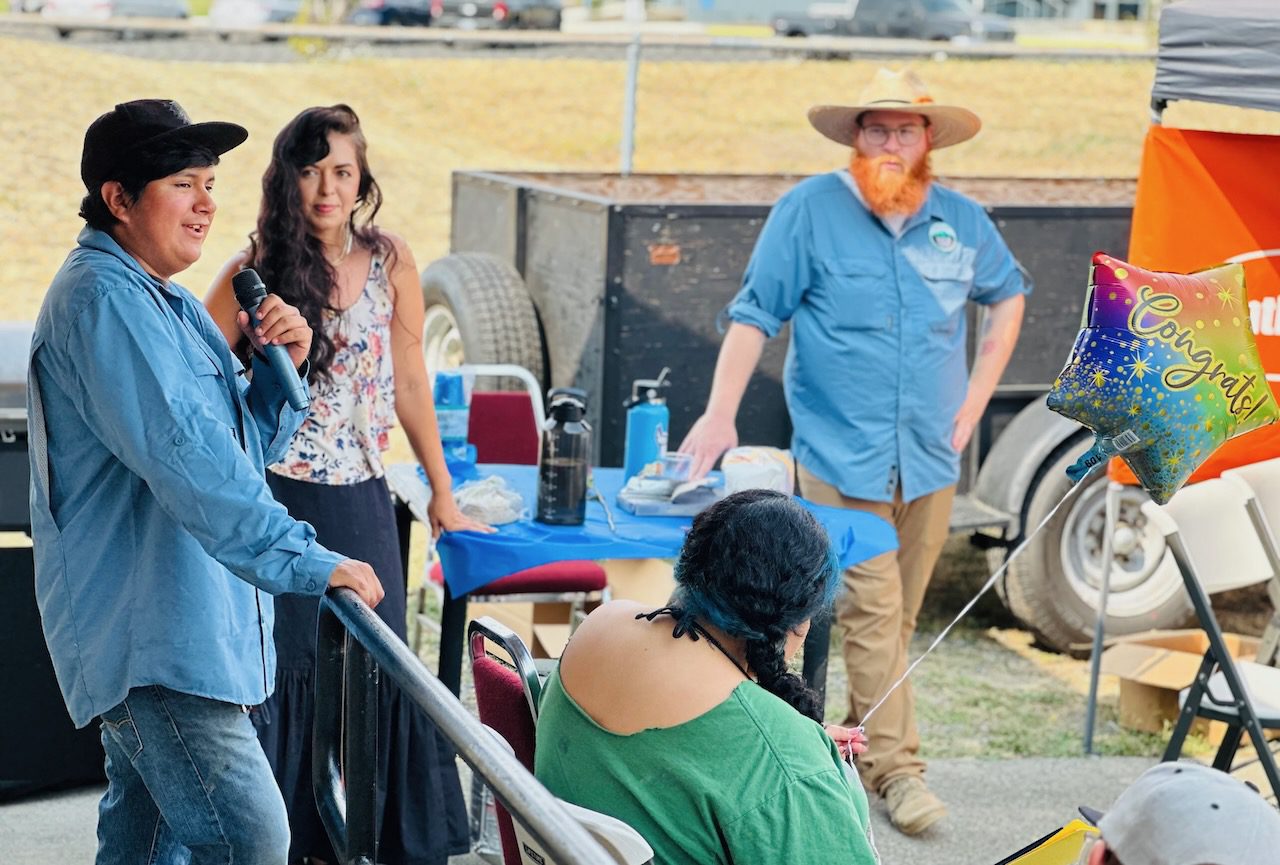
Through support from AntFarm’s Workforce Development and Youth Services teams, as well as community partners like the Clackamas Workforce Partnership, the Higher Education Coordinating Commission, the Oregon Youth Conservation Corps, the Clackamas River Basin Council, the Sandy Area Chamber of Commerce, Estacada High School and others, AntFarm kept the doors open to a program that has shaped the lives of hundreds of young people. What emerged was different than summers past, but no less impactful: a program centered on intentional teaching, strong mentorship, and youth voices that continue to carry forward AntFarm’s mission.

Mentorship at the Core. Olivia Solis, AntFarm’s Senior Manager of Youth Programs, emphasized the importance of keeping the program alive. She noted that even in a reduced form, the summer experience gave young people a chance to step up, build confidence, and work alongside trusted adults. “What we saw was youth taking ownership of their roles. They stepped into leadership, supported each other, and learned how to work through challenges together,” she said.

Shannon Grandy, Outdoor Programs Manager, echoed that sentiment, highlighting the value of mentorship within small crews. “Our team brought heart and energy every single day. These youth weren’t just completing tasks, they were finding their place in the community and learning that their voices matter,” she said.

Leadership Perspective. Neal Hatley, AntFarm’s Workforce Development and Deputy Executive Director, explained how the smaller scale of this year’s program allowed for deeper connections. “With fewer youth and sites to manage, we could be more intentional. It reduced some of the challenging logistics of past summers and created space for stronger relationships,” he reflected. “That kind of focus matters when you’re teaching skills that can stick with someone for life. This is the hardest, most chaotic, most rewarding thing we do each year. Seeing these youth engaged, growing, and making an impact? it’s why we’re here.”

Community-Based Learning. For Community Work Program Specialist Gabriella Peña, the summer was about much more than the tasks completed. She described the importance of shared lunches, when the recreation space filled with laughter, music, and conversation.

“Those moments of fun and connection were just as valuable as the skills we taught,” she said. “The youth came eager to learn, asked thoughtful questions, and left with a sense of belonging. They received mentoring and skill-building with open minds, and they left with lessons about community, communication, friendship, and perspective.”

Youth Voices. Youth participants themselves emphasized the program’s impact in different ways. Nevaeh G. reflected that the program helped those involved by pushing them to communicate with others while also helping the community by keeping spaces clean and safe. Luke D. summed up his experience simply, describing it as “old friends.”

River V. offered advice for future participants, encouraging them to meet as many people as possible, introduce themselves, and be brave enough to step outside their comfort zone. “You never know what you will learn or who you will click with,” she said. “Do your best and work hard.”

Their words echo the program’s broader goals: building skills while fostering communication, connection, and confidence.

Community Impact. Projects completed through City Beautification and CommunityConnect improved local spaces and connected generations. Homeowners and elders offered thanks, treats, and encouragement, while teens learned to take feedback, solve problems, and contribute. These visible results reinforced the message that young people are not just future leaders. They are essential to community well-being right now.

Moving Forward. While the summer looked different than in years past, AntFarm’s commitment to youth development never wavered. Smaller crews meant more intentional teaching, more mentorship, and more space for youth to be heard. The organization continues to seek sustainable funding to keep programs like this alive for the long term.

As Olivia reflected, “This program has always been about more than the work itself. It’s about preparing youth for whatever comes next, whether that’s a first job, further education, or stepping into a bigger role in their community.”

For nearly a decade, AntFarm’s summer program has been a cornerstone of youth development in Sandy, Estacada, Molalla, and surrounding areas. Despite the funding cut, the summer of 2025 proved that resilience, creativity, and community support can still create meaningful opportunities for youth. Most importantly, the youth who showed up left with new skills, new confidence, and stronger connections to each other and their community.

Preparing Now: How Public Investment Is Strengthening Wildfire Resilience in Our Community

Preparing Now: How Public Investment Is Strengthening Wildfire Resilience in Our Community

With lower snowpack across much of Oregon and early signs of dry summer conditions, wildfire preparedness is already part of the conversation in many rural communities. On the west side of the Cascades, spring rain can still influence how fire season unfolds. But when snowpack is lower, preparation becomes even more important.

In Sandy and surrounding areas, AntFarm’s Community Wildfire Defense Program is not waiting to see what summer brings. Backed primarily by funding through Oregon Conservation Corps via the Higher Education Coordinating Commission, along with workforce development support routed through regional partners, the program is training crews, expanding service areas, and reducing wildfire risk across rural Clackamas County.

“The goal is twofold,” said Logan Hancock, AntFarm’s Community Wildfire Defense Program Manager. “We’re building fire-adapted communities, and we’re developing skilled workers ready to enter forestry, wildfire mitigation, and related fields.”

Last year alone, the Community Wildfire Defense Program completed 352 Home Ignition Zone assessments and performed defensible space work on 193 properties in our area. Each assessment helps homeowners identify vulnerabilities. Each treated property represents reduced ladder fuels and improved structure survivability.
For Hancock, success goes beyond acreage. “The more skilled tree workers we develop, the better the service we provide,” he said. “We invest heavily in training. It builds long-term capacity and professionalism.”
Crew members begin with tree identification, introductory saw skills, physical conditioning, and fire behavior fundamentals. Those interested in climbing receive rigging and aerial rescue training. Winter windstorms recently shifted crews into storm damage cleanup and hazard tree removal, providing higher-complexity experience while meeting immediate community needs.
Recent funding has also allowed the program to expand to two operational crews, increasing capacity across North and South County. At the center of that expansion are young adults gaining hands-on experience.
Kaylee, who recently moved from Salem to be closer to family in the area, said she was drawn to the program for a simple reason. “I really like being outside, and I get to get paid to do that for work.”
What began as an opportunity to work outdoors quickly became technical training. “I never even thought about the different types of trees before,” she said. Learning to identify species changed the way she sees the landscape.

She also found herself drawn to the mechanical side of the job. “Now I’m sharpening chains and cleaning saws. I really like doing that.” Becoming familiar with equipment maintenance gave her confidence she had not developed in previous roles.

Jessni, 19, entered the program after working seasonally at Silver Falls. Running a large chainsaw for the first time was intimidating. “The bar comes up to my chest,” she said. “It was really intimidating. But it’s super fun.” She has since gained confidence operating equipment, maintaining tools, and working within a professional crew environment. The experience builds both technical and transferable skills: mechanical familiarity, teamwork, safety awareness, and communication.
“We’ve had participants move into ecological restoration, arborist work, structural firefighting, wildland fire, and line clearance,” Hancock said. “Seeing people step into those careers is what we’re looking for.”
While crews are thinning vegetation and removing hazard trees, another critical piece of wildfire resilience happens during home assessments.

Michelle Richardson, CWDP Assessment Coordinator, works directly with homeowners to evaluate risk and provide practical recommendations. She says many people are surprised by how small details can make a significant difference.

“The roof is the home’s biggest vulnerability because it has the largest surface area where embers can collect,” Richardson explained. Keeping roofs and gutters clean, even covered gutters, is essential. Leaf litter that accumulates in valleys or near projections can allow wind-driven embers to ignite debris, even if the roof itself is noncombustible.
Decks are another common concern, particularly when combustible materials are stored underneath or against exterior walls. Richardson emphasizes the “Zero Zone,” the first five feet around a home. “Remove all vegetation in the five-foot zone,” she said. “Ideally, this area would be rock.” During fire season, it should also be free of combustible items such as patio furniture and firewood.
Early-season dryness simply means starting cleanup sooner. “Clean your roof and gutters. Rake the five-foot zone. Trim dead vegetation within 30 feet of the home,” Richardson said. “During high fire danger, especially Red Flag warnings and east wind events, running a sprinkler daily in that five-foot zone can make a difference.”
Home assessments often uncover overlooked vulnerabilities such as attic and crawlspace vents. Standard quarter-inch mesh can allow ember entry, while one-eighth-inch mesh offers better protection.

Public funding for wildfire mitigation carries accountability requirements, including documenting structures impacted, skills developed, and measurable community benefit. That structure ensures public investment produces tangible results.

As uncertainty around snowpack and summer conditions continues, AntFarm’s crews are focused on preparation rather than prediction. “We can’t control the weather,” Hancock said. “What we can control is how prepared we are.”
For young people interested in outdoor work, environmental stewardship, or hands-on technical skill development, the Community Wildfire Defense Program offers structured, paid eight-week sessions. The next session is expected to begin in mid-spring, and recruitment is open for applicants ages 16 to 26 ready to work hard and contribute to community safety.

In a region where wildfire is a recurring reality, preparation is not alarmism. It is stewardship. Through thoughtful public investment and local leadership, AntFarm’s Community Wildfire Defense Program is strengthening both the landscape and the next generation prepared to care for it.

AntFarm’s YouthCore Wraps a Peak Season and Keeps the Work Going Year-Round

AntFarm’s YouthCore Wraps a Peak Season and Keeps the Work Going Year-Round

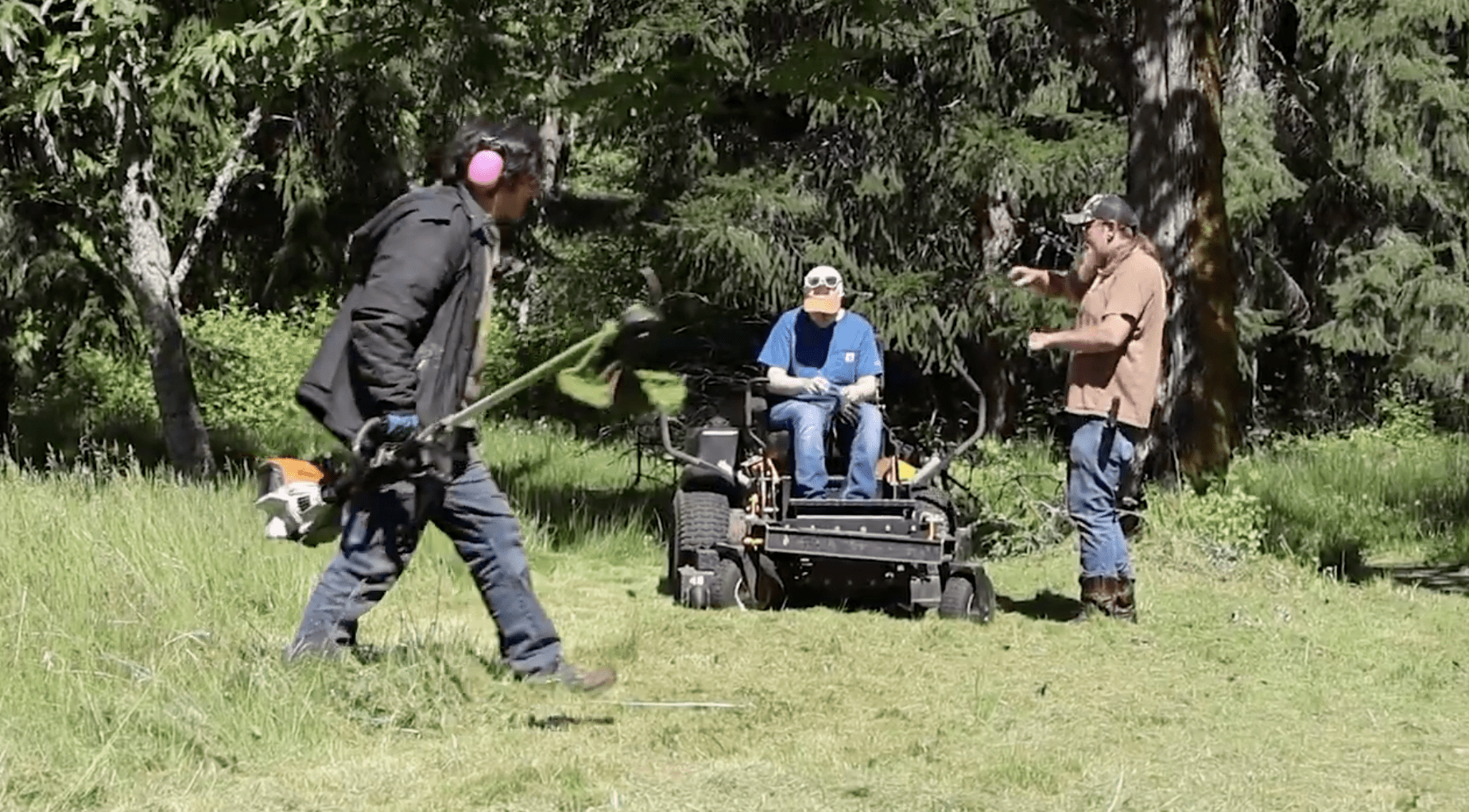
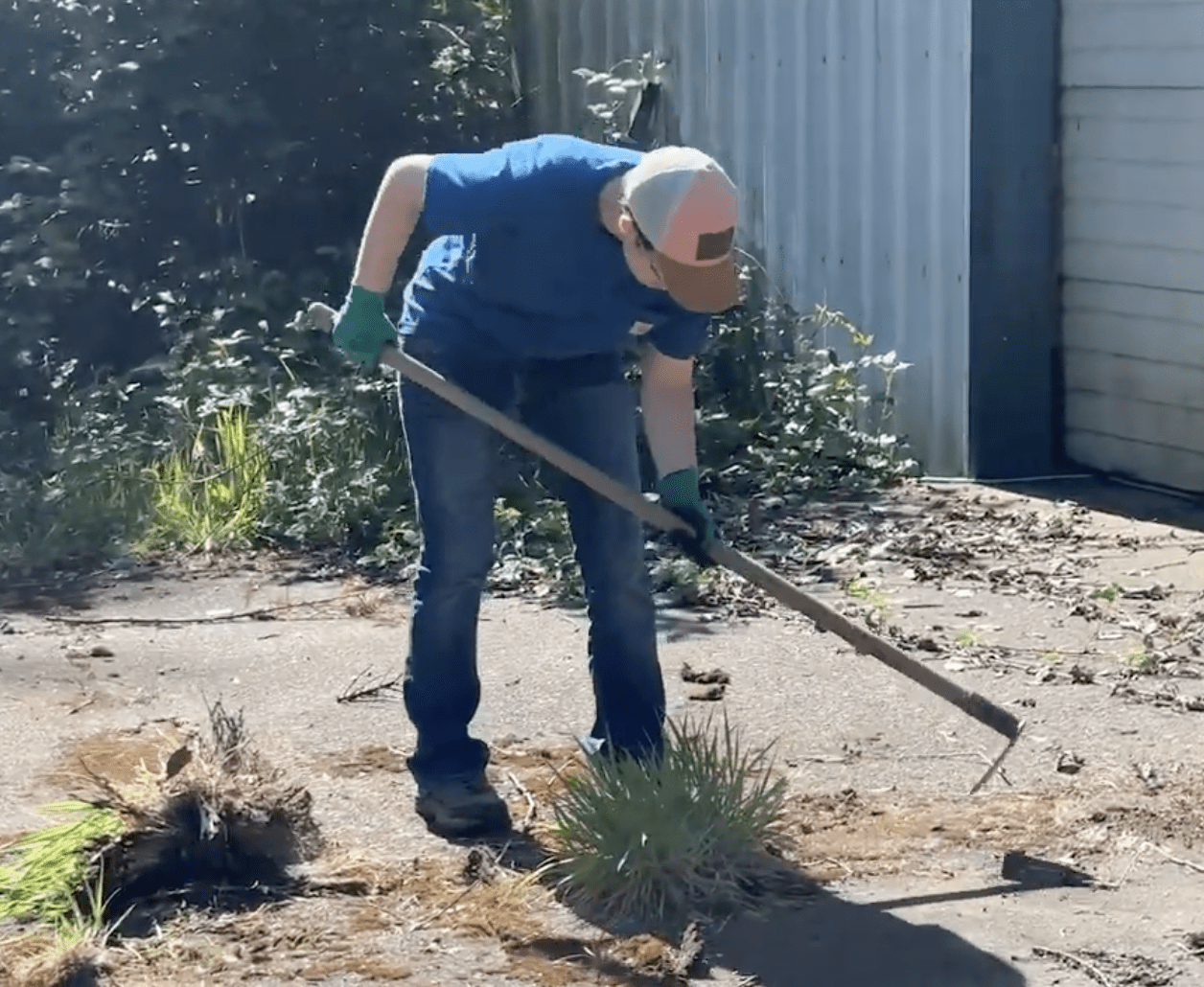
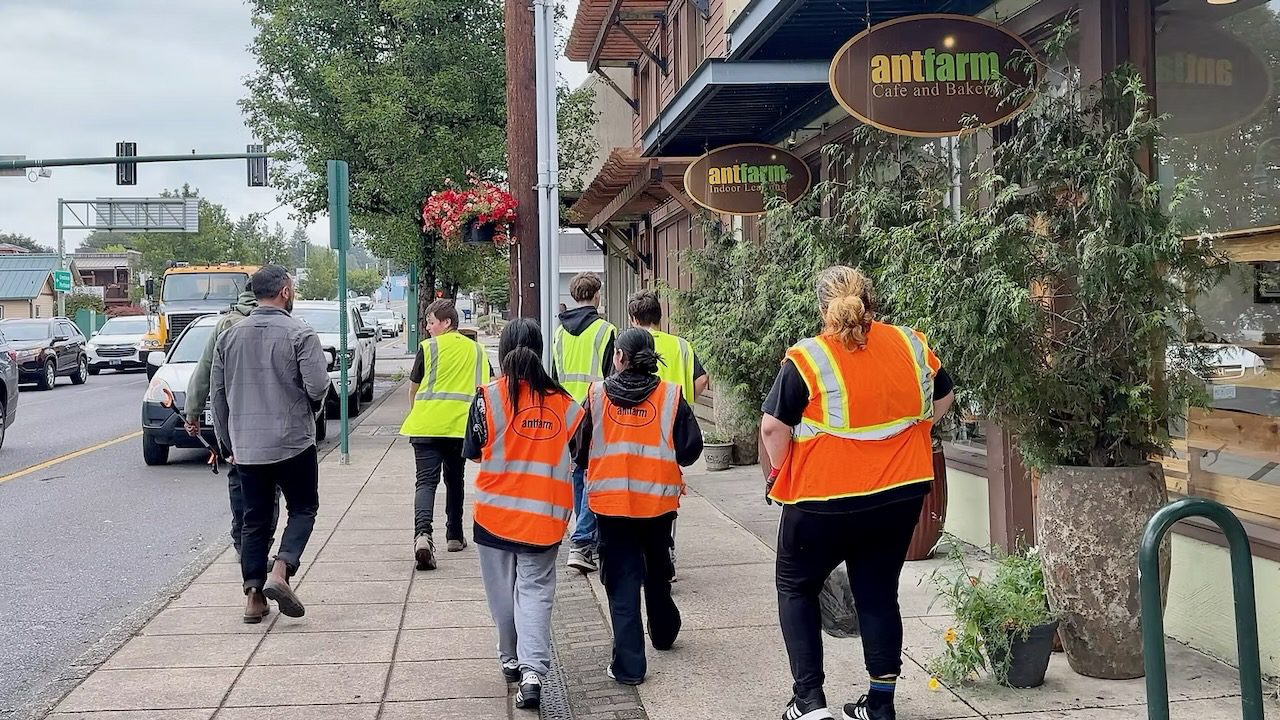
Summer 2025 marked a peak season for YouthCore crews, filled with steady work, community partnerships, and the kind of growth that happens when purpose meets opportunity. Across the region, youth and young adults ages 14 to 24 cleared brush, maintained trails, supported events, and helped property owners care for the places they love. For these young workers, it is more than a paycheck. It is a chance to gain confidence, learn professionalism, and serve their community with pride.

YouthCore is one of AntFarm’s original youth-powered programs, providing paid, mentored job experience year-round. Crews are guided by trained leads who model accountability, teamwork, and problem-solving while ensuring quality results for customers and partners.
“This season showed how powerful that combination can be,” said Neal Hatley, Deputy Director and Workforce Development Director at AntFarm Youth Services. “Our crews are out there in every kind of weather, supporting cities, residents, and businesses. They’re learning to work safely, communicate clearly, and deliver professional results that people notice.”
Partnership in Action
One of this year’s highlights came in August when a YouthCore crew joined the PNWECS team for their Customer Appreciation Day in Sandy. The youth supported setup and takedown, helped customers load purchases, and assisted staff throughout the event.
“PNWECS has supported our mission for years through donations, internships, and advocacy,” AntFarm staff shared. “This gave our crew a chance to engage directly with the community and see what partnership looks like in action.”
The PNWECS team added, “It’s always a joy to see AntFarm’s team in action. We’re proud to support your mission and youth programs.”
Learning Through the Work
Crew Lead Casey said the most rewarding part of his role is watching young people realize they are capable of real results. “I try to lead by example,” he said. “If I’m doing something, I’m doing it right. When people see our crew working, it changes how they see what young people can do.”
Crew member Ryan said the same sense of purpose drives him. “One of my favorite parts is taking something messy and turning it into a place people can enjoy,” he said. “You really see how your effort changes things. It’s not just work; it’s something you’re giving back to the community.”
Service That Hits Home
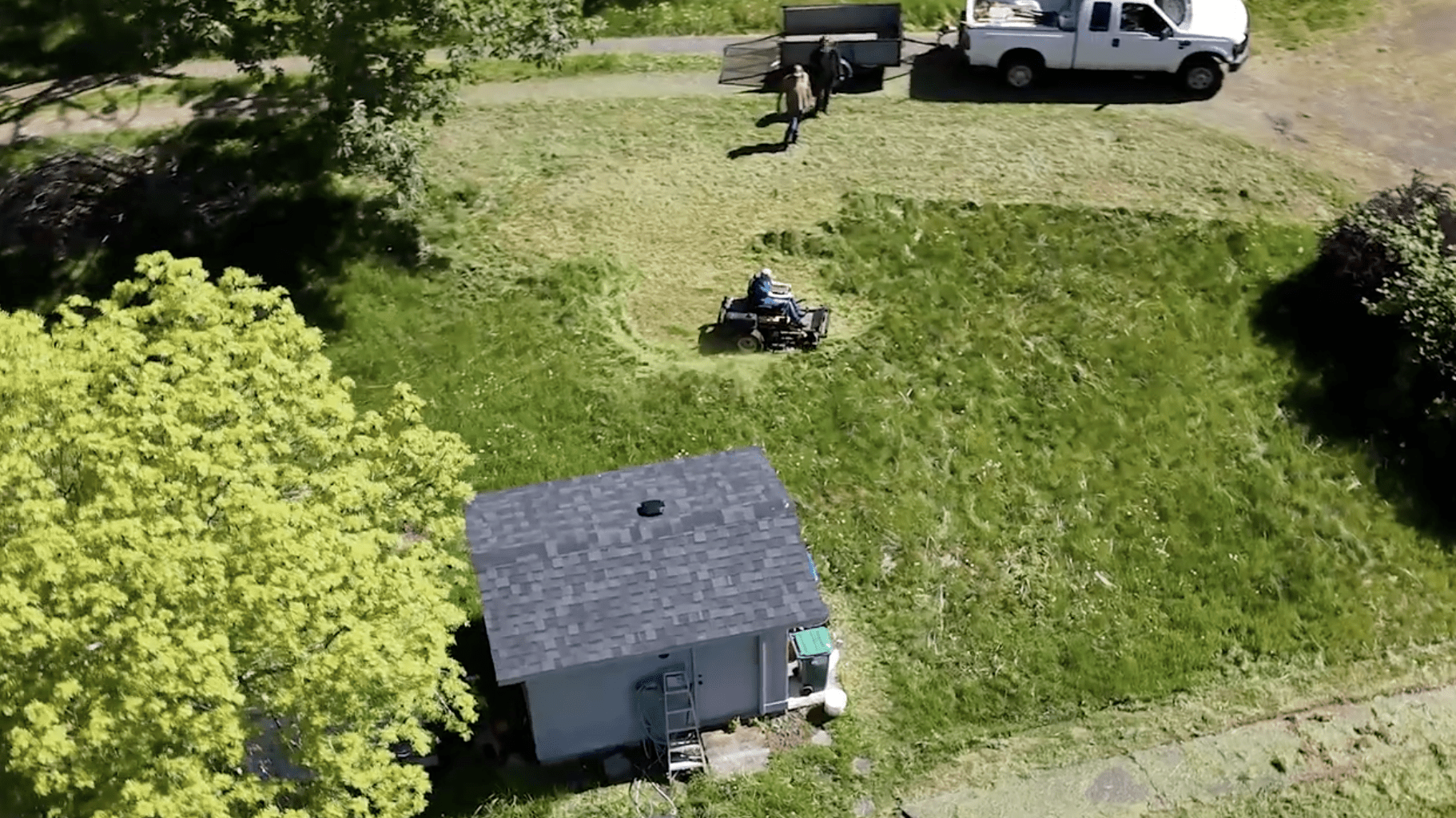
For local residents Dan and his family, YouthCore’s impact was deeply personal. After his father was paralyzed in a fall, their five-acre property became too much to manage alone. AntFarm’s Outdoor Programs Manager, Shannon Grandy, connected them with a YouthCore crew. “It has been a blessing for our family,” Dan said. “The crews have helped manage the property so my parents can continue living in the home they worked their whole lives for, in peace and dignity.”
Hatley credits much of that success to Grandy, who joined AntFarm last summer. “Shannon has quickly become the heartbeat of YouthCore,” he said. “She leads with kindness and strength, gets to know each member of the crew personally, and never hesitates to get her hands dirty when needed. Her dedication to our youth and the community shows in everything she does.”

Continuing the Work

As fall settles in, YouthCore crews remain on the job. The program offers affordable, reliable outdoor services year-round, including property cleanup, brush removal, storm preparation, garden support, and restoration work.

“When you hire YouthCore, you’re not just getting a job done,” Casey said. “You’re investing in youth who are learning to show up, solve problems, and lead.”
YouthCore crews are now scheduling fall and winter projects for residential, commercial, and public spaces, including but not limited to leaf clean up, debris removal, deliveries and/or bucking up of firewood, snow shoveling driveways and walkways, and hanging up Christmas lights.
To request a quote or learn more about partnership opportunities, contact AntFarm at 503-668-7962, email info@antfarmyouthservices.com, or visit antfarmyouthservices.com. Every hour of work supports local youth employment, skill development, and a stronger, more connected community.